Jinan Dibaier Environmental Protection Materials Co., Ltd

Sandwich Panel

Jinan Dibaier Environmental Protection Materials Co., Ltd: Your Trustworthy Sandwich Panel Manufacturer!


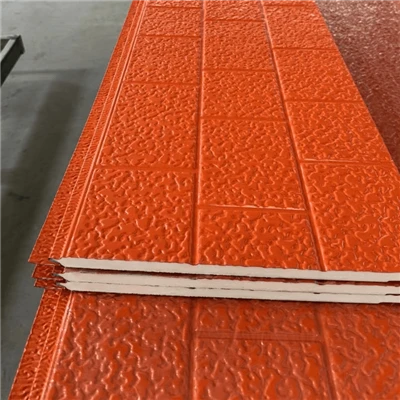
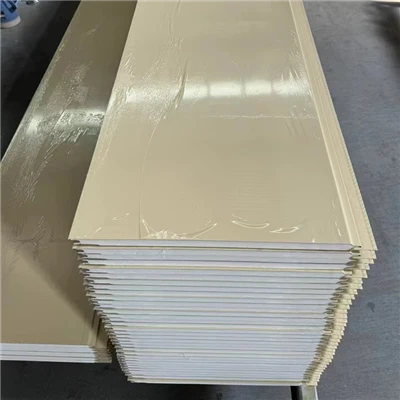
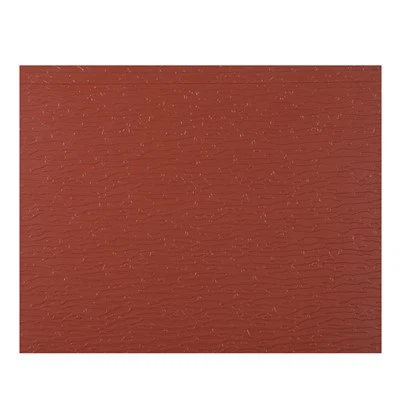
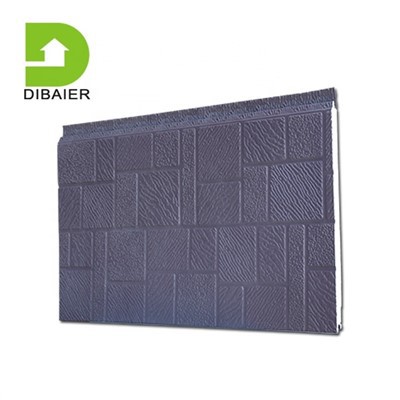
Jinan Dibaier Environmental Protection Materials Co., Ltd is a high-tech enterprise, which includes designing, R&D, manufacturing, sales and service of metal sandwich panel, active room and sentry box. Dibaier has super meal sandwich panel continuous production process. We can produce various patterns such as brick, grain, water wave, marble and so on, which fully meets various needs of architectural colors decoration and heat preservation projects.We have exported our wall panels to the whole domestic and global market.

Our Advantages

Strong Production Capability

Our company has super meal sandwich panel continuous production process. We can produce various patterns such as brick, grain, water wave, marble and so on, which fully meets various needs of architectural colors decoration and heat preservation projects. We can react to clients fast and assure quality firmly for mass or small orders.


Wide Range of Applications

Our products are widely used in high building, modern villa, light steel workshop, active house, European and American-style box change, old building exterior wall transformation, scenic spot movement and permanent house, environmental protection public toilets of all kinds of beautiful and energy-saving and environmental protection buildings.

Rich Products

Our company has various products, such as PU Sandwich Panel, Insulation Sandwich Panel, House Sandwich Panel, Fireproof Sandwich Panel, Composite Sandwich Panel, Metal Sandwich Panel, Wall Panel, Exterior Wall Panels, Polyurethane Wall Panels, Fireproof Wall Panels, Metal Wall Panels, Composite Wall Panels.

24-Hour Service

Our company promises to provide 7×24 hours service after the contract is signed. We will respond within 1 hour after receiving the message, provide solutions to general faults within 8 hours, and solve complex problems within 24 hours.


First 1234567 Last 1/24

What is Sandwich Panel


A sandwich panel is a composite structure consisting of two thin and stiff face sheets bonded to a thick and low weight core. Sandwich structures offer great potential for the development of optimized structures with high stiffness and strength-to-weight ratios. Sandwich panels are one of the most applied designs in the aerospace, construction and automotive structures due to their excellent stiffness-to-weight ratio.

Advantages of Sandwich Panel


Lightweight
Sandwich panels are lightweight, which makes them easy to handle, transport, and install. They can be used to construct buildings, walls, roofs, and floors, and they reduce the overall weight of the structure, which can save on material costs.


High strength&Durability
Despite their lightweight nature,sandwich panels are incredibly strong and have excellent load-bearing properties. They are resistant to bending, compression, and torsion, which makes them suitable for use in high-stress applications. Sandwich panels are durable and can withstand harsh weather conditions, such as wind, rain, and hail.They are also resistant to corrosion and do not require much maintenance.


Thermal Insulation
Sandwich panels have a high thermal insulation value, which makes them ideal for use in cold rooms, freezers, and other temperature-controlled environments. They can also be used to reduce energy costs by maintaining a stable indoor temperature.


Fire Resistance
Sandwich panels are often made of fire-resistant materials,which makes them suitable for use in buildings that require high levels of fire safety. They have low flammability and are designed to slow down the spread of fire.


Acoustic Insulation
Sandwich panels are effective at reducing noise and can be used to create soundproof rooms or buildings. They absorb sound waves, preventing them from bouncing around and creating echoes.

Types Of Sandwich Panels

EPS (Expanded Polystyrene) Core Panels

EPS core sandwich panels feature a core made of expanded polystyrene, known for its excellent insulation properties. These panels find widespread use in residential and commercial buildings, offering cost-effective thermal insulation. It is ideal for roofing, wall cladding, and cold storage facilities.

PU (Polyurethane) Core Panels

Sandwich panels with a polyurethane core are prized for their exceptional insulation capabilities. The polyurethane foam provides a high level of thermal resistance, making these panels an energy-efficient choice. It is widely used in industries requiring temperature-controlled environments, such as warehouses and refrigeration units.

户外夹芯板
户外夹芯板

Mineral Wool Core Panels

Mineral wool core sandwich panels are recognized for their fire-resistant properties. Comprising mineral fibers, these panels offer robust insulation while ensuring safety in the event of a fire. It is ideal for structures where fire safety is a priority, such as industrial facilities and high-rise buildings.

Aluminum Honeycomb Core Panels

Featuring an innovative honeycomb core made of aluminum, these panels strike a balance between strength and weight. Their exceptional strength-to-weight ratio makes them suitable for diverse applications. It is commonly used in aerospace, marine, and architectural applications where lightweight yet strong structures are essential.

How To Choose Sandwich Panel
 

Sandwich Panel Width, Length And Thickness

The working width of sandwich panels for walls can be: 1000 mm; 1160 mm; 1185 mm; 1190 mm.At the same time, the width of the roof sandwich panel is usually 1000 mm. The length of sandwich panels of all types does not exceed 13,500 mm. The thickness of sandwich panels can be from 30 mm to 250 mm, and depends on the type of filler used and the purpose of the panel. The outer layer of the panels is made of galvanized steel 0.5-0.7 mm thick.

Color Of The Exterior Coating

The outer layer is a polymer coating. To glue the outer layers with a filler, a two-component polyurethane-based adhesive is used.The finished sandwich panels are also protected on both sides by a protective film coating.The color of the exterior coating of sandwich panels can be absolutely any, you can choose it from the RAL color catalog. Most manufacturers offer the manufacture of panels in a wide range of colors, usually based on the PAL color palette. A large selection of colors will allow you to implement any design solution. The polymer coating is resistant to fading and mechanical damage, it will retain its color for many years.

Applications of Sandwich Panel


Facades
Sandwich panels are extensively used for constructing building facades, offering both insulation and aesthetic appeal. They find applications in residential, commercial, and industrial buildings, providing efficient protection against heat dissipation and humidity.
Roofing: sandwich panels designed for roofing applications must withstand extreme weather conditions. They are fixed to the structure using self-drilling screws and are often combined with sealing joints to ensure proper insulation and prevent leakage.


Refrigerated Trucks, Cold Rooms And Freezers
Require specialized sandwich panels with increased thickness to withstand low temperatures. Attention to joint design is crucial to maintain the necessary insulation and temperature control.


Clean Rooms
Sandwich panels are widely used for building clean rooms that require a high level of cleanliness and a controlled environment. They are suitable for applications in the pharmaceutical, biotechnology, medical, electronic, and food industries, among others. They offer advantages such as easy installation, smooth surface, low particle emission, high fire resistance, and good thermal and acoustic insulation. They can be customized according to the specific requirements of each project, such as size, colour, core material, and finishing.


Mobile Units
Sandwich panels are also used for constructing mobile units such as mobile homes, caravans, containers, and prefabricated buildings. They provide lightweight, durable, and versatile solutions for temporary or permanent accommodation. They can withstand harsh weather conditions and offer thermal comfort and energy efficiency. They can be easily assembled and disassembled and can be transported by road, rail, or sea. They can be designed with different shapes, colours, and features to meet the needs of various customers.


External & Fire-Rated Doors
Sandwich panels can be used for making external and fire-rated doors that comply with safety and security standards. They consist of two metal sheets with a core of fire-resistant material such as rock wool or mineral wool. They have high mechanical strength and stability and can resist fire for up to 120 minutes. They can also provide sound insulation and thermal insulation and can be customized with different finishes, colours, and accessories. They are suitable for industrial, commercial, and residential buildings that require fire protection and aesthetic appeal.

 
Operations You Can Do with a Sandwich Panel
 

The Transporting Of Panels To The Construction Site, And Unloading
For packages up to 6 metres in length: The panels can be unloaded manually or with a forklift. It is recommended to use forklifts with adjustable fork width - the minimum fork spacing should be 2m with a width of 150mm. For packages exceeding 6 metres in length: Such packages should be lifted using conveyor belts and spreader booms. The indicated spacing of belts for packages from 6m to 12m is 2-4m. For packages longer than 12m, the spacing of transport belts is 3.5-4.5m. Avoid point supports when unloading panels. Otherwise there is a risk of damaging the lining of the lowest panel.


Quality Control Of The Completed Structure
Prior to the installation of panels, it is necessary to check whether the structure to which the sandwich panels will be fixed is straight. Even the slightest deviation in implementation can result in leaks occurring at the joints between panels, which produces the so-called “wave effect” (the panels are not on one plane).


Removal Of The Protective Film
It is best to remove the film just before transporting the panel to the place of installation. It is not recommended to remove the foil after installing the panel.


Sealing
Before fixing the panel, attach strips of PES sealing tape. It is to be fixed to the structure in places where it will be in contact with the internal lining of sandwich panels. The use of seals effectively prevents from mechanical damage to the lining.


The Installation Of Sandwich Panels
The safest and most-recommended assembly solution is the use of vacuum lifts for the transporting of panels. Install the first panel using fasteners penetrating the entire thickness of the panel, up to the construction element.


The Installation Of Door Profiles, Window Profiles, And Skylights
The installation of door profiles and window profiles, i.e. windows, doors, gates, small windows, etc., requires a separate description. In the case of roof panels, these also include skylights. All sandwich panels can be easily cut on site, using standard metalworking tools, for example: Jig-saws, Reciprocal saws, Nibblers. It is not allowed to use any high-temperature cutting tools, e.g. angle grinders. This could damage the anti-corrosion coating.


Assembling Subsequent Panels
When installing subsequent panels, it is very important to make sure that the panels are pressed down correctly, in order to ensure the maximum tightness of the fasteners. If pressed down correctly in the fasteners, panels completely eliminate the problem of so-called “thermal bridges”. The locations where panels are joined without any fasteners (e.g. a horizontal joint between one panel and another, on a column, or a joint between a wall panel and a roof panel), must be additionally sealed, for example with low-pressure polyurethane foam or butyl.


Masking Treatments
The last stage is the installation of masking treatments, e.g. joints, corners, wind braces, ridges, or plinths.


Certificate
productcate-1-1
productcate-800-589
productcate-800-589
Frequently Asked Questions

Q: How to choose a sandwich panel?

A: Your choice of sandwich panel will depend on its intended use and the building regulations it must adhere to. Typical construction applications include facade cladding, roofing, partitions, fitted furniture, as well as wall or floor insulation. Here are the key factors to consider when making your selection: Application, Installation, Core material, Facing material, Technical characteristics.

Q: How will the application influence my selection of a sandwich panel?

A: Many sandwich panels are optimized for a specific application, such as roofing or cladding. However, you must ensure they meet local regulations and are suitable for your building. Here are the two most common applications and key considerations: Facade sandwich panels provide thermal insulation for the building’s exterior while shielding it from various weather conditions. Keep in mind that fire safety requirements are often stricter for taller buildings. Roof sandwich panels must adhere to the aforementioned criteria while also taking into account variables such as roof pitch and roof loads which may include snow accumulation, maintenance equipment, and personnel. Some roof sandwich panels feature profiles that mimic traditional roofs, with tile patterns, a standing seam, or a corrugated design. Sandwich panels can also be used for walls, partition walls, soffits, and doors. Your specific needs may influence the material and finish you choose.

Q: What do I need to know about sandwich panel installation?

A: Sandwich panels sometimes have special fixing or interlocking systems to make installation much easier and improve performance. Interlocking systems are particularly interesting for insulation, especially for flooring, roofing, or facades, ensuring a continuous barrier and preventing cold bridging. Ensure that the sandwich panel is compatible with other building materials chosen to avoid damage to the panels or compromising the building’s performance. Before installing the panels, you should know the workflow and how the panels should be joined to other building elements such as doors and windows. The following is an example of a facade sandwich panel installation (but this can vary according to each type of sandwich panel and manufacturer): Once the first panel is secured, door and window profiles are installed. Subsequent panels must be correctly pressed down for tight fastening and to prevent thermal bridges.

Q: Which sandwich panel core material is best?

A: The core of a sandwich panel can significantly impact characteristics such as thermal insulation, acoustic performance, fire resistance, and strength. The core structure typically consists of foam, honeycomb, or corrugated materials. In contrast to foam sandwich panels, honeycomb core panels prioritize strength over insulation. The most common materials for honeycomb cores include aluminum, polypropylene, or cardboard. For insulating sandwich panels, the most common foam core types are as follows: Polyurethane (PUR) core sandwich panels offer high initial thermal insulation but lack optimal fire resistance. The polyisocyanurate (PIR) core is a variation designed to improve this performance by providing better fire resistance, thermal insulation, and stability. Phenolic foam (PF) sandwich panels, while more expensive than PIR insulation boards, offer slightly higher thermal and fire resistance. Polystyrene sandwich panels are often more affordable than PUR or PIR variants but tend to provide lower thermal and fire resistance. Flame retardants may be added during production to ensure that they meet fire safety requirements. Polystyrene sandwich panels come in two forms: XPS (extruded polystyrene) or EPS (expanded polystyrene). XPS is denser, offers higher thermal resistance, and is also more moisture/vapor resistant compared to EPS. Mineral wool core sandwich panels are known for their excellent fire resistance as mineral wool is non-combustible. Although they tend to be heavier and less thermally insulating than PIR, they excel in acoustic performance.

Q: How to choose sandwich panels?

A: For effective heat preservation inside the room, the thickness of the sandwich panel and its filling play a key role.For example, if the building is to be operated in a region with hot summers, lots of sun and mild winters with plus temperatures, the thickness of wall panels in residential buildings should be 40-60 mm, roofing — 60 mm, for public buildings — 30-50 mm and 50 mm, respectively.The colder the climate, the thicker sandwich panels are needed, for example, in the north wall panels should have a thickness of 120-170 mm, roofing panels — 140 mm.It is allowed to use thicker panels than the recommended parameters. In this case, the thickness reserve will serve as a safety net in case of adverse weather conditions, and will also reduce heating costs due to better thermal insulation.

Q: What are the disadvantages of sandwich panels?

A: While sandwich panels offer many benefits, they also have some limitations. For instance, they may not be suitable for all architectural styles. Also, while they are generally durable, they can be susceptible to damage from severe impact.

Q: What are the applications of sandwich panel?

A: Sandwich panels are generally used in industrial facilities, commercial buildings, cold storages, residential buildings, power plants as well as buildings for agricultural and husbandry.

Q: How to seal a sandwich panel?

A: Before fixing the panel, attach strips of PES sealing tape. It is to be fixed to the structure in places where it will be in contact with the internal lining of sandwich panels. The use of seals effectively prevents from mechanical damage to the lining.

Q: Are sandwich panels strong?

A: Despite their lightweight nature, sandwich panels are also incredibly strong and durable. They can withstand extreme weather conditions and have a long lifespan. This combination of lightweight and durability makes sandwich panels a practical and reliable choice for building budget friendly construction.

Q: Are sandwich panels structural?

A: A sandwich panel is any structure made of three layers: a low-density core (PIR, mineral wool, XPS), and a thin skin-layer bonded to each side. Sandwich panels are used in applications where a combination of high structural rigidity and low weight is required.

Q: What are the problems with sandwich panels?

A: Setting panels on a sloped floor is known to cause long-term damage to the sandwich panel. The panel will eventually bend due to its weight being focused on one area of the structure. Each sandwich panel is designed by the manufacturer to operate most effectively on flat and even surfaces.

Q: What are the cons of sandwich panels?

A: If the insulation used in a sandwich panel is combustible, the risk of fire increases exponentially. In fact, fires in buildings with sandwich panels made of combustible products are often are so tough for firefighters to extinguish that they usually result in complete destruction of the building.

Q: How are sandwich panels installed?

A: The materials are unloaded with construction handling equipment. The subframes are assembled, and installed with beams, posts and purlins. The protective film is removed from the sandwich panels. The sandwich panels are fastened to the subframe structural members using suitable fasteners.

Q: Can you screw into sandwich panel?

A: The sandwich panel can either be used as wall or roof cladding or as load bearing wall and roof element. The intended use comprises fastening screws for sandwich panels and connections for indoor and outdoor applications.

Q: Are sandwich panels load bearing?

A: Precast sandwich panels are typically made of an external concrete layer (non-loadbearing), an insulation layer and an internal concrete layer (loadbearing). These 3 layers are then connected using connectors that are placed during casting.

Q: What is the best insulation for sandwich panels?

A: The thermal conductivity of EPS is around 0.037 W/mK. The lower the value, the better it insulates. So under the same weather conditions a building made with sandwich panels with polyisocyanurate foam will save heat and cold by 68% better than a building made with EPS panels.

Q: What are the disadvantages of sandwich panels?

A: Although sandwich panels have significant advantages in these applications, sandwich panels are susceptible to various impact loads, which may cause serious local damage, thereby reducing their stiffness, strength, load-bearing capacity, shortening their service life and bringing safety hazards.

As one of the most professional sandwich panel manufacturers and suppliers in China, we're featured by quality products and competitive price. Please rest assured to buy high-grade sandwich panel for sale here here from our factory.

panelized metal wall systems, kitchen cladding panels, interior brick cladding
goTop

(0/10)

clearall