



PU Sandwich Panel Custom (2-6m) - Thermal Insulation China Factory
Core Product Introduction This product adopts a composite structure of "color-coated steel sheet + high-density PU core material", which is integrally formed by high temperature and high
Add to Inquiry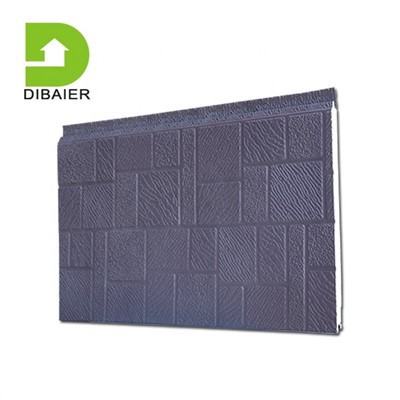
Outdoor Sandwich Board
Product Description The construction of outdoor sandwich board is not affected by seasons. The surface of the carved panels is a colored embossed metal panel that has been treated with a coating. The
Add to Inquiry
Imitation Wood Grain Sandwich Board
The imitation wood grain sandwich board have strong self-cleaning properties, and the surface is coated with a highly weather-resistant paint coating to ensure a beautiful appearance at all times.
Add to Inquiry
Decorative Pu Foam Sandwich Wall Cladding Panels
PU sandwich panel is lightweight and easy to install . it is not restricted by the seasonal environment and is suitable for all seasons . thermal insulation, waterproof and flame retardant, sound
Add to Inquiry
Pu Exterior Wall Sandwich Panel
PU Insulated Decorative Metal Carved Wall Board is a new innovative product that has been gainingpopularity in the construction industry. The product is made by sandwiching polyurethane(PUR/PIR)
Add to Inquiry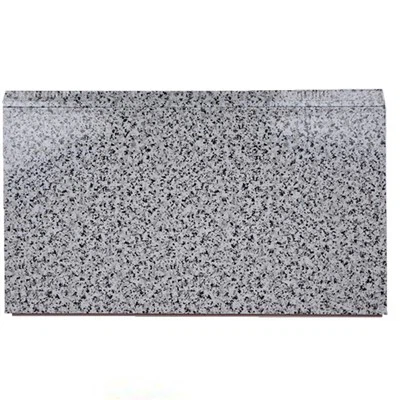
Pur Sandwich Panels
1. topside: color painted embossed steel sheet(zinc alloy, hot galvanized)2. core material: rigid polyurethane foam, density: 40kgs/m33. backside: aluminum foil/ AL steelPattern: fine brick
Add to Inquiry
Sandwich Wall Panels
Sandwich wall panels is a kind of building material with high pressure resistance, earthquake resistance, moisture resistance, low thermal conductivity, beauty, durability, energy conservation,
Add to Inquiry
Exterior Wall Siding Pu Sandwich Panel
PU sandwich panel is lightweight and easy to install . it is not restricted by the seasonal environment and is suitable for all seasons . thermal insulation, waterproof and flame retardant, sound
Add to Inquiry
Decorative Panels For Walls
Insulation PU sandwich panel is is a new and eco-friendly material which has a big potential market all around the world.
Add to Inquiry
Sandwich Panel Board
Renovation of old buildings without the need for grassroots treatment. Install the hanging board directly. Long service life: 15 years without fading, plate life is more than 50 years. Thermal
Add to Inquiry
Insulated Sandwich Panel
As a new material in structure, the 2023 Smart and durable flat metal carved board has been the most suitable choice for many users. The 2023 Smart and durable flat metal carved board is divided into
Add to Inquiry
Decorative Pu Sandwich Panel
Decorative pu sandwich panel is also called metal surface embossed insulation decorative board, generally referred to as the metal insulation decorative board. the international light-weight walling
Add to Inquiry
PU Sandwich Panel
Jinan Dibaier Environmental Protection Materials Co., Ltd is a high-tech enterprise, which includes designing, R&D, manufacturing, sales and service of metal sandwich panel, active room and sentry box. Dibaier has super meal sandwich panel continuous production process. We can produce various patterns such as brick, grain, water wave, marble and so on, which fully meets various needs of architectural colors decoration and heat preservation projects.We have exported our wall panels to the whole domestic and global market.
Our Advantages
Strong Production Capability
Our company has super meal sandwich panel continuous production process. We can produce various patterns such as brick, grain, water wave, marble and so on, which fully meets various needs of architectural colors decoration and heat preservation projects. We can react to clients fast and assure quality firmly for mass or small orders.
Wide Range of Applications
Our products are widely used in high building, modern villa, light steel workshop, active house, European and American-style box change, old building exterior wall transformation, scenic spot movement and permanent house, environmental protection public toilets of all kinds of beautiful and energy-saving and environmental protection buildings.
Rich Products
Our company has various products, such as PU Sandwich Panel, Insulation Sandwich Panel, House Sandwich Panel, Fireproof Sandwich Panel, Composite Sandwich Panel, Metal Sandwich Panel, Wall Panel, Exterior Wall Panels, Polyurethane Wall Panels, Fireproof Wall Panels, Metal Wall Panels, Composite Wall Panels.
24-Hour Service
Our company promises to provide 7×24 hours service after the contract is signed. We will respond within 1 hour after receiving the message, provide solutions to general faults within 8 hours, and solve complex problems within 24 hours.


