




Metal Building Siding Panels
Modern metal building wall panels use high-performance alloy systems to achieve the optimal balance between strength and toughness through precise control of chemical composition and microstructure. The substrate has undergone solid solution strengthening and grain boundary optimization treatment, significantly improving its tensile strength and yield strength while maintaining good formability. The application of this material science enables wall panels to exhibit good mechanical properties when subjected to wind pressure, impact, and other structural loads, meeting the strict requirements of various building enclosure systems.
Products Description

Material characteristics

Materials Science and Metal Alloy Technology
Modern metal building wall panels use high-performance alloy systems to achieve the optimal balance between strength and toughness through precise control of chemical composition and microstructure. The substrate has undergone solid solution strengthening and grain boundary optimization treatment, significantly improving its tensile strength and yield strength while maintaining good formability. The application of this material science enables wall panels to exhibit good mechanical properties when subjected to wind pressure, impact, and other structural loads, meeting the strict requirements of various building enclosure systems.
Surface treatment and coating technology
The wall panel surface adopts a multi-layer composite coating system, which includes a complete protective system of chemical conversion layer, primer layer, and topcoat layer. The conversion layer is treated with chromate or zirconium to form a dense passivation film, enhancing the adhesion of the coating and the anti-corrosion performance of the substrate. The topcoat layer adopts polyvinylidene fluoride (PVDF) or fluorocarbon resin system, and the carbon fluorine bonds in its molecular structure have extremely high bond energy, providing weather resistance, UV resistance, and color stability. This coating system effectively blocks photodegradation reactions through quantum chemical principles, ensuring long-term appearance retention.


Thermal performance and building physical characteristics
The wall panel system integrates advanced insulation technology, using closed cell insulation materials and airtight layer design to form a continuous thermal insulation system. Based on the principle of thermal conduction, the system significantly improves the thermal performance of building envelope structures by reducing thermal conductivity, increasing thermal resistance paths, and reducing thermal bridge effects. At the same time, the multi-layer composite material structure effectively blocks the transmission of sound waves through the principle of mass spring mass law, providing excellent airborne sound insulation performance and creating a comfortable indoor sound environment.
Fire performance and safety engineering
The metal building wall panel system meets the requirements of building fire engineering and adopts non combustible materials and fire-resistant structural design. Based on combustion principles, the system achieves effective fire protection by limiting combustibles, controlling heat release rates, and blocking flame propagation pathways. The specially designed cavity structure and fire sealing measures effectively prevent the vertical spread of smoke and flames, providing reliable passive fire protection for buildings and meeting the safety requirements of building codes.


Structural Engineering and System Integration
It adopts a modular structural design concept, and the wall panel system integrates load-bearing, enclosure, and aesthetic functions into one. Based on the stability theory of thin-walled components, the section inertia moment and bending stiffness are maximized by optimizing the section shape and reinforcement arrangement. The system connection design applies the principle of deformation coordination, allowing for temperature deformation and structural displacement while maintaining the waterproof integrity and structural continuity of the joints. This engineering design ensures the long-term performance reliability of the building enclosure system.




Professional construction technology requirements
System installation specifications and standards
The installation of metal building wall panels should comply with the relevant requirements of the "Quality Acceptance Standards for Building Decoration and Decoration Engineering" (GB 50210) and the "Technical Specification for Metal and Stone Curtain Wall Engineering" (JGJ 133). Special technical briefing should be conducted before construction to ensure that construction personnel fully understand the design intent and technical requirements. All installation operations must be completed by professional construction teams with corresponding qualifications, and construction personnel should undergo specialized training and hold certificates before taking up their posts.
Technical requirements for surveying and laying out
Use a precision total station for three-dimensional coordinate positioning measurement and establish a building axis control network. When setting out, double checking is performed using a laser level and a theodolite based on the architectural design drawings and curtain wall construction drawings. The deviation of the vertical keel installation line should be controlled within ± 2mm, and the deviation of the horizontal elevation line should not exceed ± 1.5mm. All measurement data should be established in electronic files, and a dual inspection system for measurement results should be implemented.
Technical specifications for embedded parts and rear anchoring
The installation of embedded parts should be positioned using standardized molds, with a positional deviation of no more than ± 5mm. Before pouring concrete, concealed engineering acceptance must be carried out. The rear anchoring components should be installed according to the specifications and quantities required by the design, and the anchoring depth and torque values should meet the design requirements. The tensile pulling force of anchor bolts needs to be verified through on-site pull-out tests, and the test value should not be less than 1.3 times the design value. All connecting components should undergo hot-dip galvanizing for anti-corrosion treatment, with a galvanized layer thickness of not less than 85 μ m.
Installation process of keel system
The verticality deviation of vertical keel installation should be controlled within H/1000 and not exceed 5mm (H is the height of the component). The horizontal deviation of the horizontal keel shall not exceed L/1000 and not exceed 3mm (L is the length of the component). The keel connection adopts high-strength galvanized bolts, and the torque value meets the design requirements. An adjustable connection system should be installed between the keel and the main structure, allowing for three-dimensional directional adjustment to accommodate structural deformation and installation errors.
Installation process of metal panels
Pre layout should be carried out before panel installation, and after numbering, installation should be carried out in order. Use specialized lifting equipment during installation to avoid panel deformation and damage. The connection between the panel and the keel adopts a floating connection system, allowing for temperature deformation displacement. The connecting components should be made of stainless steel material, and the torque value should be strictly controlled according to the design requirements. The deviation of panel joint width shall not exceed ± 1mm, and the height difference between adjacent panels shall not exceed 0.5mm.
Sealing and waterproofing technology
Joint sealing should use two-component silicone structural sealant, and compatibility and adhesion tests should be conducted before construction. The adhesive thickness shall not be less than 6mm, and the width shall be determined through calculation. The temperature of the injection environment should be controlled between 5 ℃ -40 ℃, and the relative humidity should be between 40% -80%. Before gluing, the substrate should be cleaned using the matching cleaning agent and cloth. The sealant should be continuous and uniform, without bubbles or fractures.
Ref:
https://www.mohurd.gov.cn/gongkai/zc/wjk/art/2018/art_17339_237285.html
The correct method for cleaning wall panels with chemical reagents


Oil and fat pollutants: use alkaline cleaning agents containing emulsifiers
Oxidation rust stains: using weakly acidic reducing cleaning agents
Atmospheric dust: neutral surfactant solution
Biological stains: specialized cleaning agents containing fungicides
All cleaning agents should obtain environmental labeling product certification to ensure biodegradability and environmental safety.
enterprise comprehensive strength
Dibeier Environmental Protection Materials Co., Ltd. is a high-tech enterprise that integrates the design, research and development, manufacturing, sales, and export of metal building wall panels, aluminum alloy insulated aluminum tiles, activity rooms, and booths. We have 20 trademark information and 32 patent information in terms of intellectual property. We have obtained ISO 9001 quality management system certification, ISO 14001 environmental management system certification, and multiple international authoritative certifications such as EU CE certification for our products. You will see:


1.Intelligent production line
Fully automatic sheet metal processing line: using a precision cutting system, with a standard plate width of 383mm
Multi layer composite production line: capable of producing various thickness specifications such as 14mm, 16mm, 20mm, etc
Surface treatment line: using environmentally friendly coating technology, equipped with an automatic spraying system
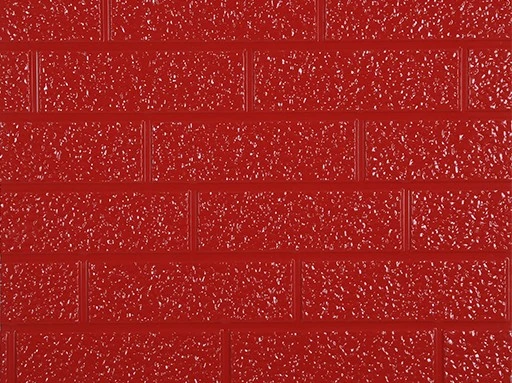
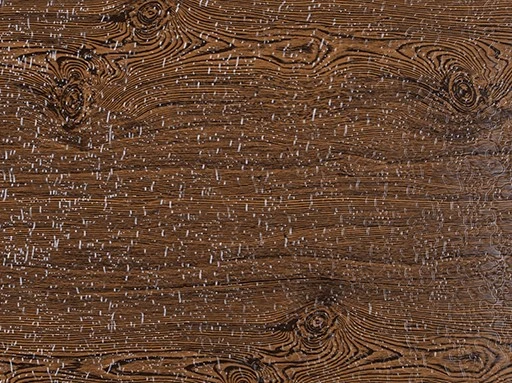
CNC carving process: It can achieve various exquisite patterns such as marble pattern, wood grain, brick pattern, tree pattern, cultural stone pattern.
2.Packaging and Logistics System
We offer multiple packaging solutions:
Conventional cardboard packaging
Simplified kraft paper packaging
All inclusive kraft paper and cardboard box
Customized packaging (customizable cardboard box and aluminum foil back)
Delivery cycle: 1-2 weeks for mass production (1 container of 3500 square meters or more)
Minimum order quantity: 200-500 square meters
Port: Qingdao Port (250 kilometers away from the factory)
WHY CHOOSE US
High end quality
Metal building wall panels have passed multiple international certifications such as ISO, CE, and B1 fire protection, ensuring that each panel has excellent thermal insulation performance and long service life.
01
Customization Innovation
Provides flexible customization of various patterns and specifications such as marble and wood grain, accurately matching different market preferences and project needs.
02
Global delivery
Wall panels are popular in many countries around the world, with sufficient production capacity, efficient logistics, and support for rapid bulk shipments to ensure timely delivery of orders.
03
Full service
With a multilingual foreign trade team, we provide one-stop professional support from inquiry to after-sales, and respond promptly to various technical inquiries and needs.
04
Hot Tags: metal building siding panels, China metal building siding panels manufactures, suppliers, factory, tile sheets for bathroom walls, stainless steel wall board, panel span insulated panels, wainscoting with corrugated tin, faux wood wall panels, mdf wall panels interior

